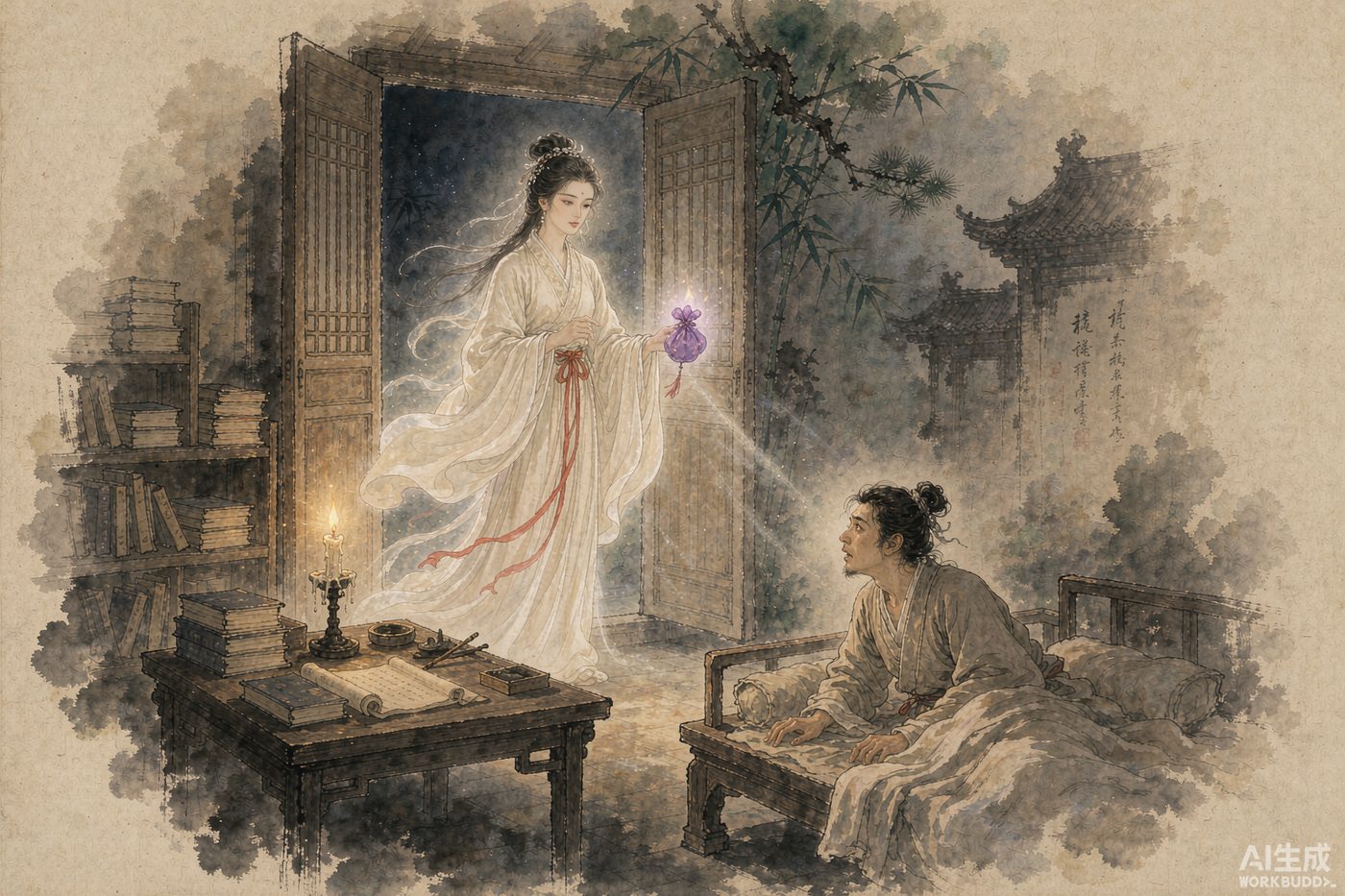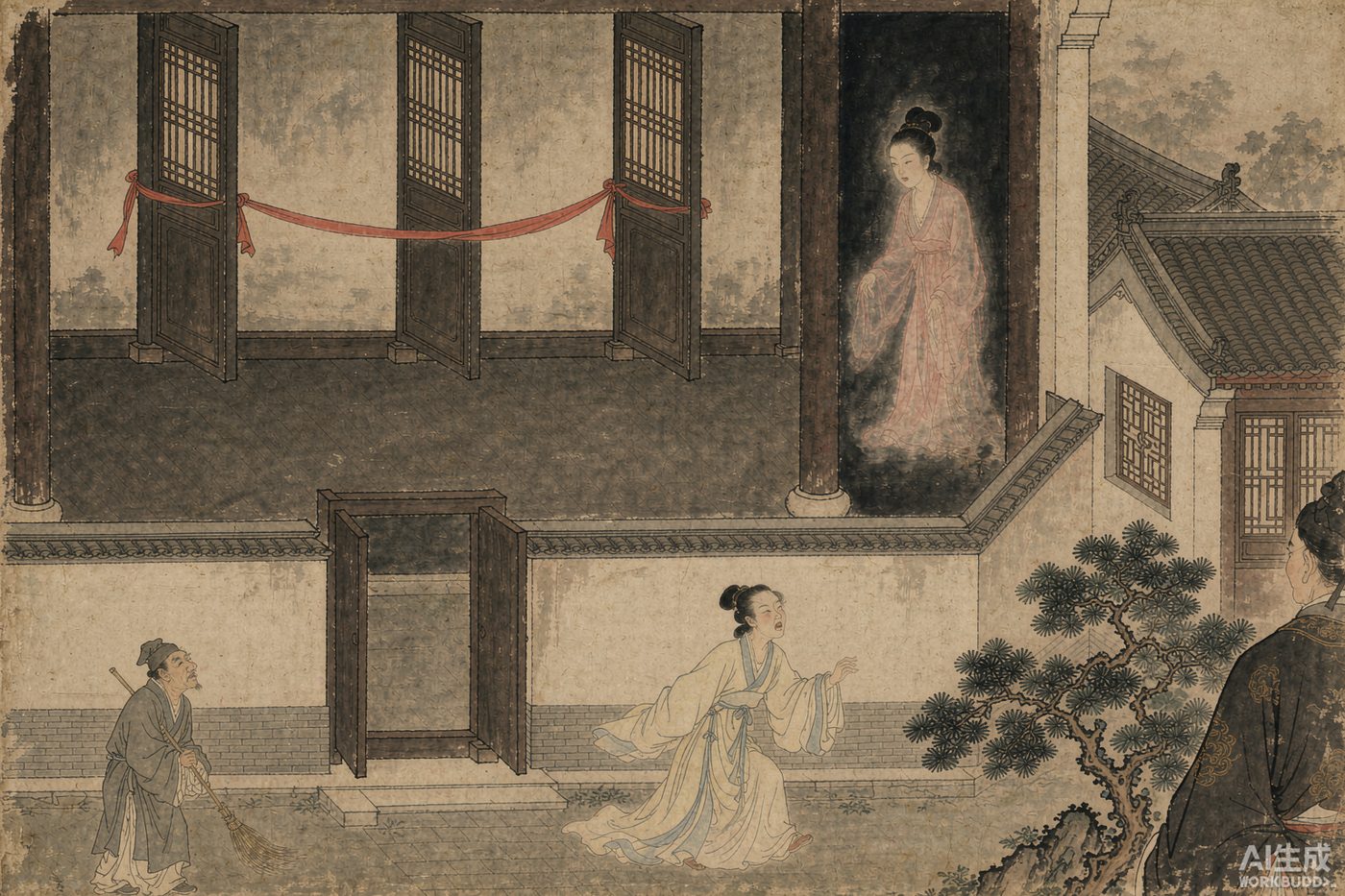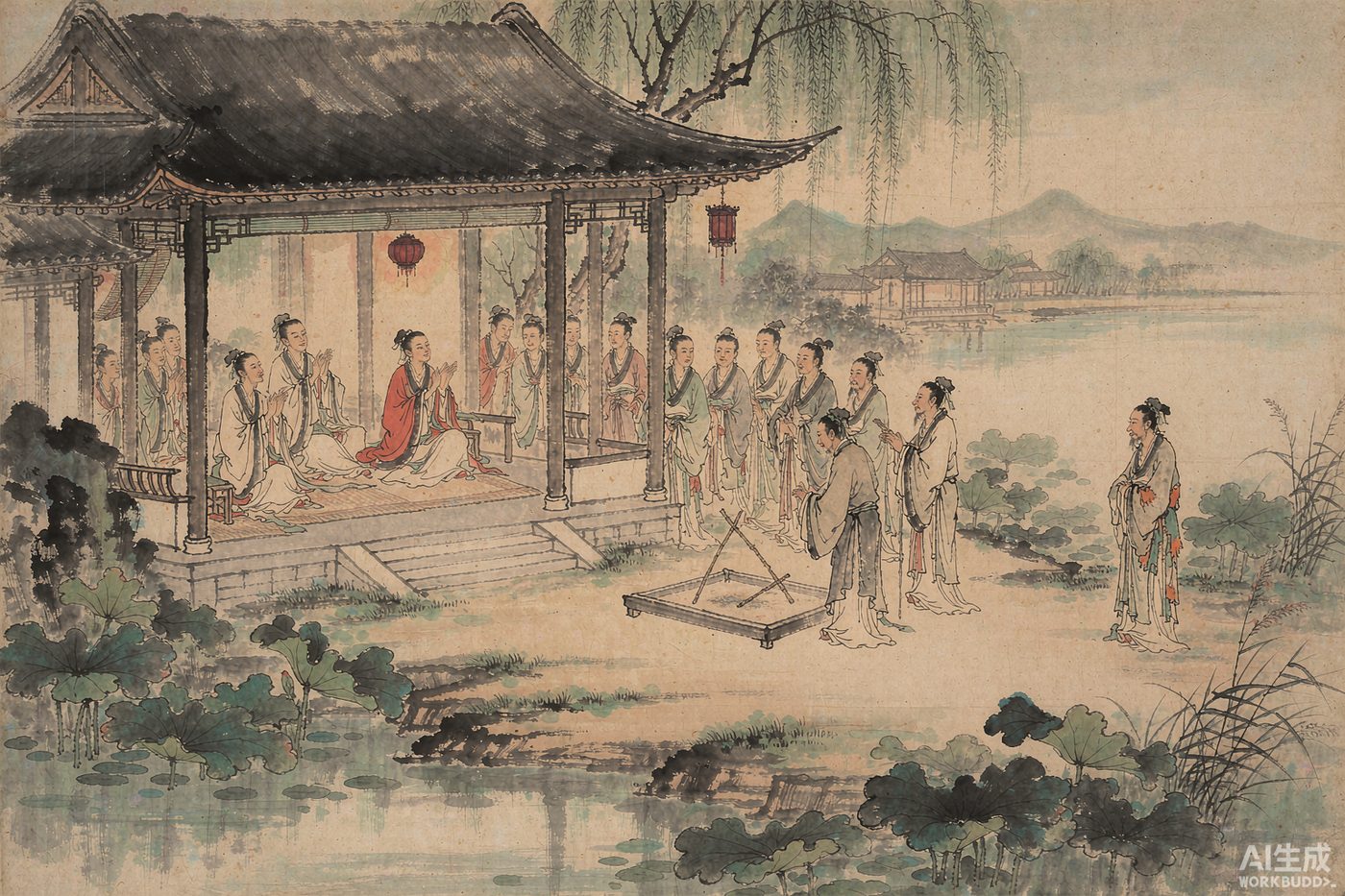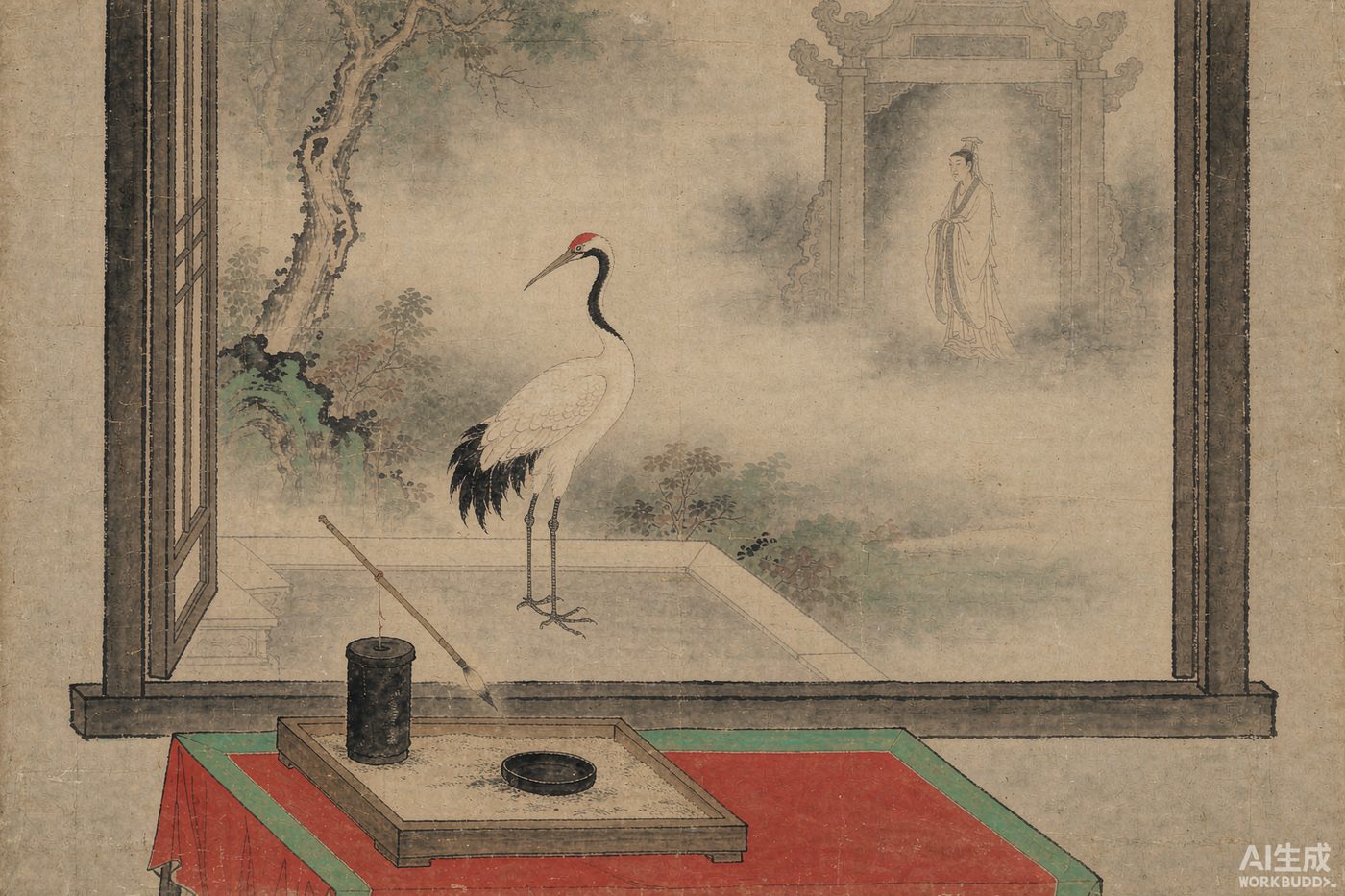
When Li Fanshe had not yet taken his degree, he and Zhou Mumu and some others were fond of summoning planchette immortals. One day an immortal came down on the tray and wrote:
“I am Master Crane Stillness. All my life I have loved to chant, and so I have come for the pleasure of your poetry circle. Ask me small matters, and I will tell you whatever I know. Do not ask me great matters — though I know them, I dare not tell.”
After that, whenever the city of Hangzhou prayed for clear weather or for rain, or asked how to stop a fever or cut short a dysentery, and they put the question to him, he always wrote the date. The prescriptions he set down all worked. On other matters, of fortune and misfortune, the brush lay still and did not move.
Each day, when they wished to ask, they had only to write the four characters Master Crane Stillness and burn the paper to the empty air, and the immortal would come down and answer them in verse. His poems were especially clear and lovely; he matched the rhyme wild goose as many as sixty times over. So it went for a year.
Li Fanshe and Mumu asked to meet him and he refused. They begged him again and again, and at last he said: “Tomorrow afternoon, wait for me at the Crane-Releasing Pavilion on Solitary Hill.”
They went out in a boat at the appointed time and waited. The sun declined and nothing appeared. They thought he had tricked them, and each began to want to leave. Suddenly a long whistle sounded in the air; a cold wind rose on every side; and they saw a great tall man, his beard several feet long, in a gauze cap and a red robe, hanging himself by a long band of silk from the stone archway. In a flash he was gone.
They guessed that he was a loyal minister of the former dynasty who had died for his honour. After that, when they called the planchette, he never came again. It is a pity that they never asked his name.