Li Mozhuang of western Sichuan, of the Hanlin academy, told this at the lodging of He, the magistrate of Wujiang, when a company of guests was present and everyone was contributing old stories.
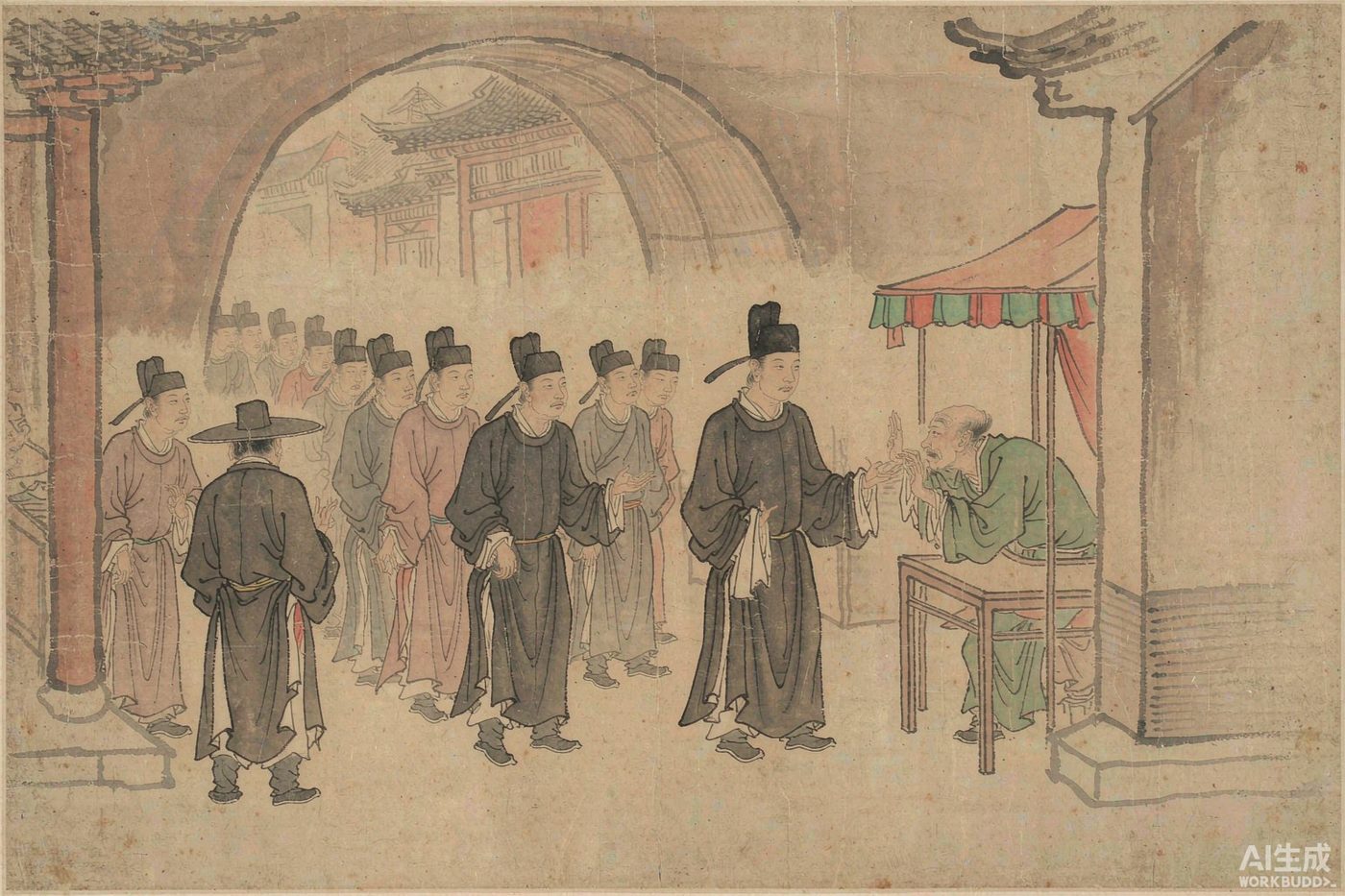
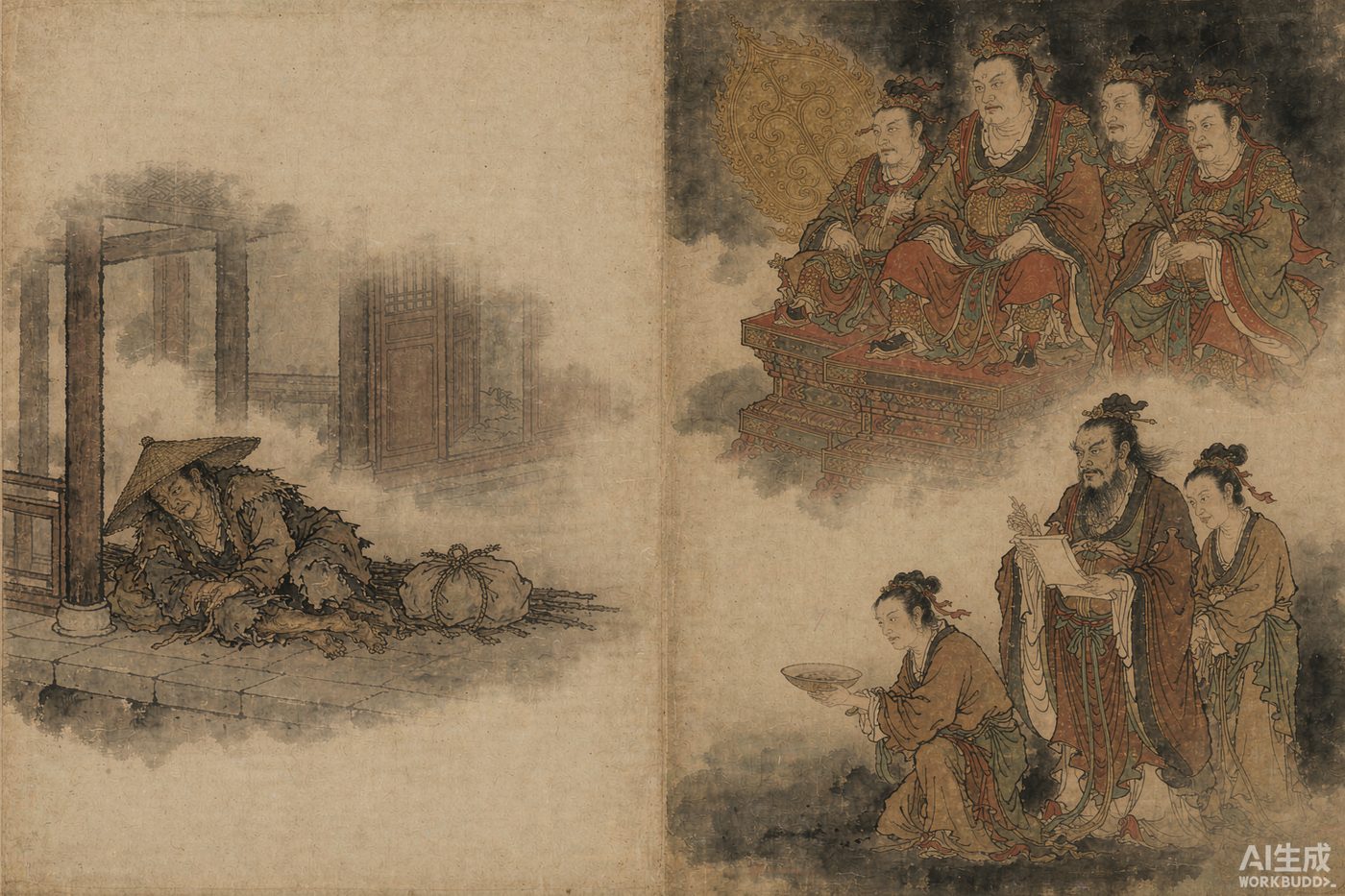
The academician said: “In my district there was a mad beggar called Gold Barbarian. He begged with his wife in Wu and slept under the left colonnade of the Hall of the Ten Kings.
“One day he begged at a rich house and came home weeping bitterly. His wife asked him why.
“He said: Every man is the same seven feet. They gorge on fat and fine grain, wear figured silk, and hold lovely wives and pretty concubines all day for their pleasure — and here I am, cold and starving like this. How can the King of the Dead be so hard-hearted? How can he be unjust to this degree?
“That night he slept under the colonnade as usual, and in his sleep the Ten Kings summoned him in.
“Do not complain. I will change you.
“They ordered the ghost-judge first to change his tongue.
“This is the tongue that General Qu Lianghan used for eating roast camel’s hump. Take it, and from now on you will always have the delicacies of mountain and sea.
“Then they changed his shoulders and back.
“These are the shoulders King Zhao had under the blue phoenix-fur robe. Take them, and you will always wear phoenix furs and fine sashes.
“And they ordered his lower parts changed as well.
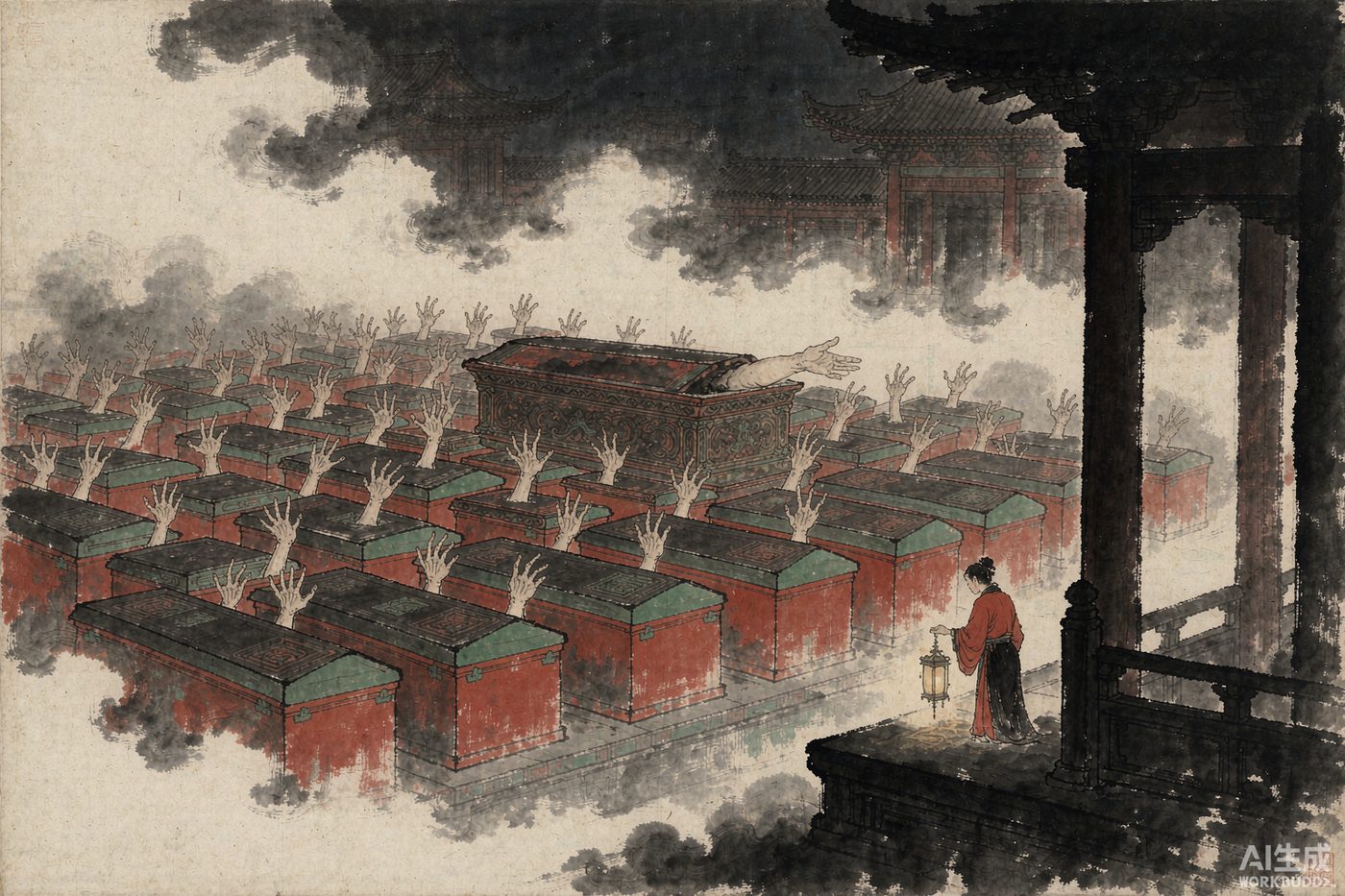
“These are the loins of the Han emperor, who entered the gentle country and took his three thousand painted women. Take them, and you will always have moth-brows and cicada-heads to hold.
“The mad beggar was overjoyed. He knocked his head in thanks and came out.
“Then it was day. His wife brought him the leftover broth and rice.
“The mad beggar flew into a rage. I am about to gorge on delicacies. Do not foul my tongue with that.
“She brought him his torn coat. He raged again. I am about to wear brocade. Do not dishonour my body with that.
“His wife began to scold him, and he grew angrier still.
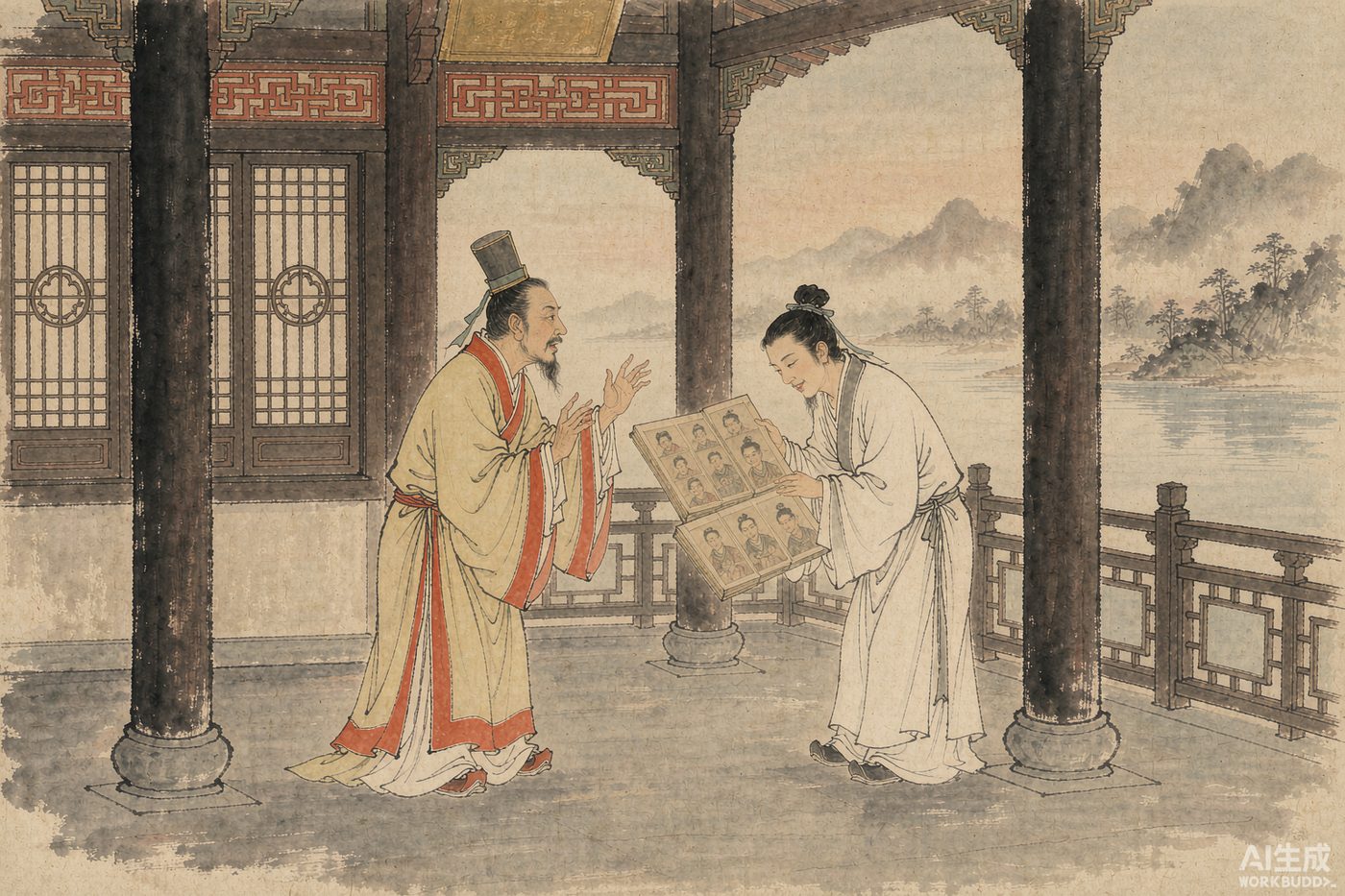
“Before long I shall keep my A-Jiao in a golden house. Where will a yellow-faced old woman like you find room to bring the bed-covers?
“His wife stood astonished and asked him to explain, and he told her the whole thing at the top of his voice.
“His wife laughed and laughed.
“If that is so, there is still one thing you have forgotten.
“He said: What thing?
“She said: You have had your whole body changed. The one thing you did not get changed was the rich destiny of Shi Jilun.
“And the mad beggar had nothing to say.”
This may have been the academician’s jest of the moment. But there are few in the world who are not that mad beggar.
The Duo comment: “Because he is mad, he is deluded; because he is deluded, he is foolish. The King of the Dead staged this play to put an end to delusion; the academician raised this argument to wake the foolish.”