Stories/ 子不语/ The Lake God Who Guarded a Corpse

The Lake God Who Guarded a Corpse

湖神守屍

SourceZibuyu (What the Master Would Not Discuss)
AuthorYuan Mei
EraLate Ming · the fall of 1643
Written1788
DeityLoyaltyLakeWater
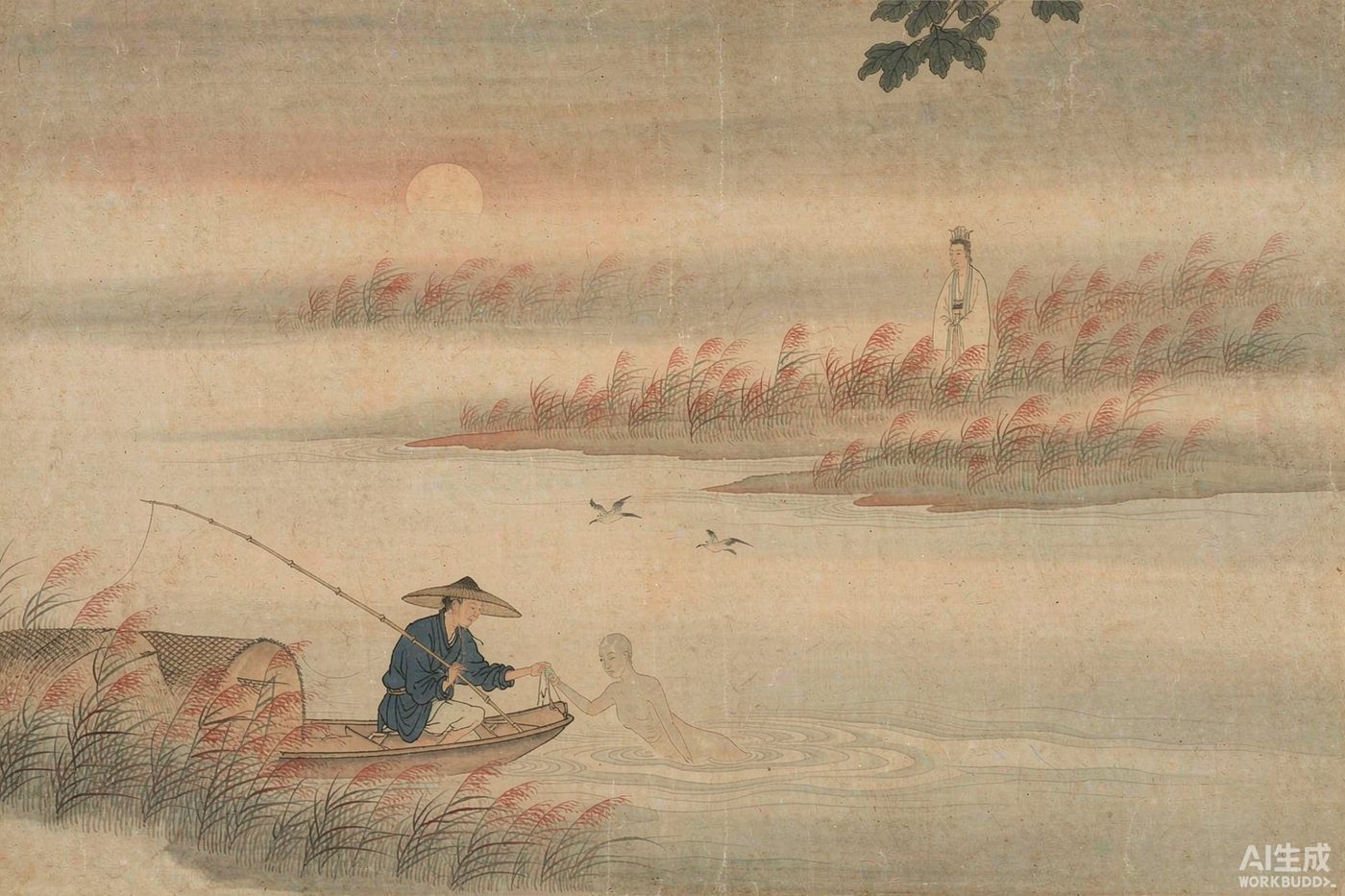
A misted lake at dawn where a fisherman in a flat boat reaches for a pale body surfacing among reeds, a faint crowned figure watching from the far bank, ink-wash painting
Illustration generated by AI, based on the ancient Chinese text.

In the last years of the Ming, the grand secretary He Fengsheng, hard pressed by Zhang Xianzhong at Wuchang, threw himself into Dunzi Lake and died.

From summer to autumn a god entrusted a dream to a certain lakeside resident, saying: “I have been charged by the Lord on High to guard Chancellor He’s corpse, and it is bitterly hard; you may haul it up and look — the one with the mole on his left hand, that is he.”

The man woke and found it strange. He waited by the lake, and there — out of the water it came, the corpse, plain to see. So he laid it out and buried it.

The body had been in the water a hundred and seventy days, and its face was like that of a living man.
Original classical Chinese text · 原文

明季大學士賀逢聖,在武昌為張獻忠所逼,投墩子湖死。自夏至秋,有神託夢於湖之居民某云:「我奉上帝命,守賀相屍殊苦,汝可撈而視之,有黑子在其左手者是也。」某覺而異之,俟於湖,赫然屍出,乃殮而葬之。屍在水中百有七十日,面如生。

From 《湖神守屍》, Zibuyu. Translated in full. 大學士 is a grand secretary, the highest civil office; 賀逢聖 (He Fengsheng, 1596–1643) was a Ming grand secretary who, when the rebel Zhang Xianzhong took Wuchang, threw himself into Dunzi Lake rather than submit; 張獻忠 is Zhang Xianzhong, the rebel who sacked the region in 1643; 黑子 is a mole or birthmark; 殮 is to lay out and coffin a corpse; 面如生 means the face looked as if alive, the conventional sign of an unviolated, virtuous death.

Source. From Zibuyu (What the Master Would Not Discuss) (子不语), by Yuan Mei , 1788. The original text is in the public domain; this English rendering and the accompanying notes are original work.
Where this fits in the universe: The Small Gods

Keep Reading

Related Stories

Southern Song dynasty · 12th century · 夷坚志

The Goddess Who Bought the Woods

林夫人廟

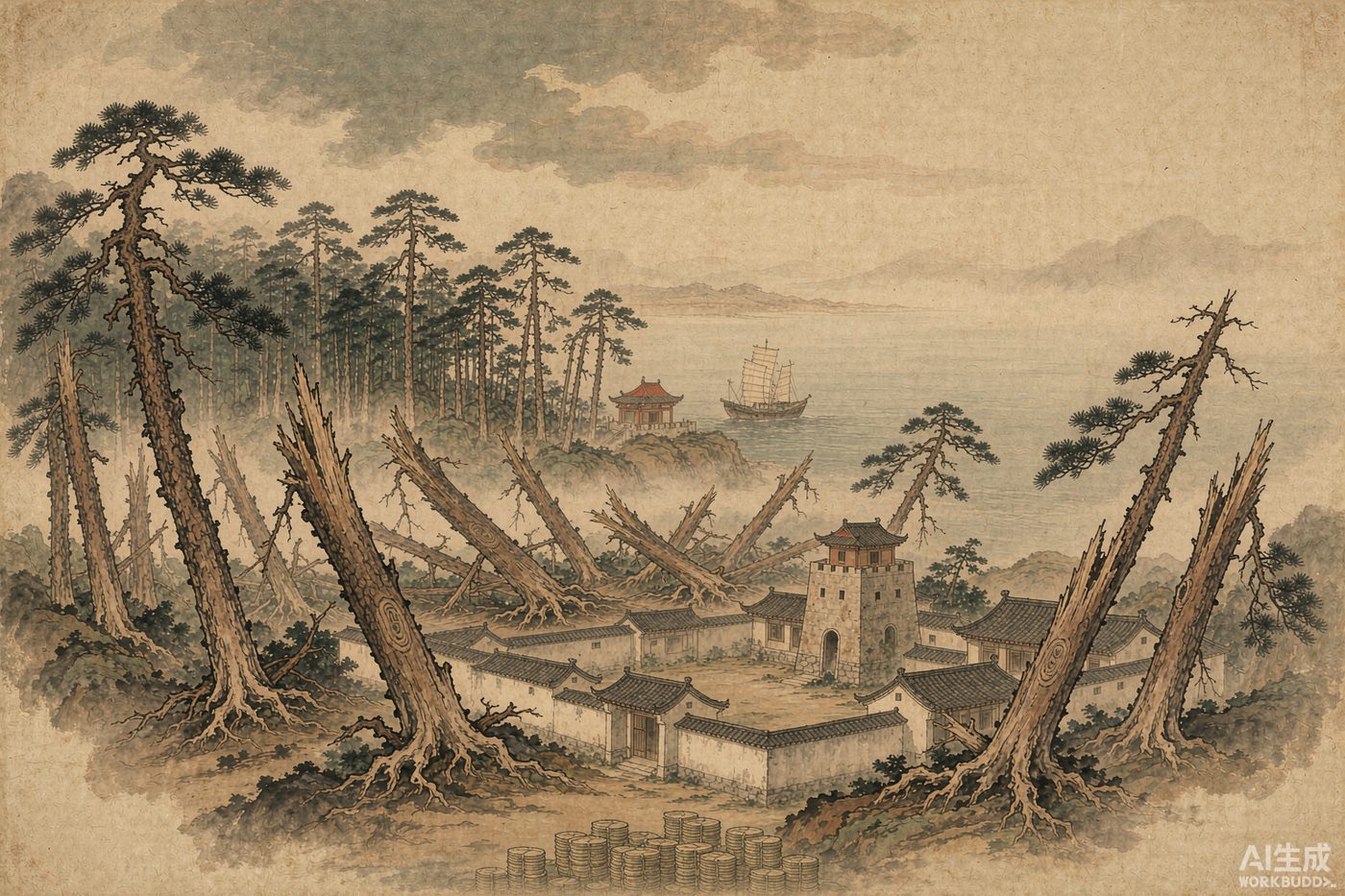
A timber merchant offers a tenth of the asking price for a stand of trees and is laughed out of the yard. That night a storm fells the whole grove, the money is found stacked in the courtyard, and every remaining trunk has three characters cut into the bark. A rich man who gives too little cannot get his cash out of his own gate.

Small GodsDeityMoney
Southern Song dynasty · 1167, the third year of Qiandao · 夷坚志

The Land God of Jianju Abbey

簡寂觀土地

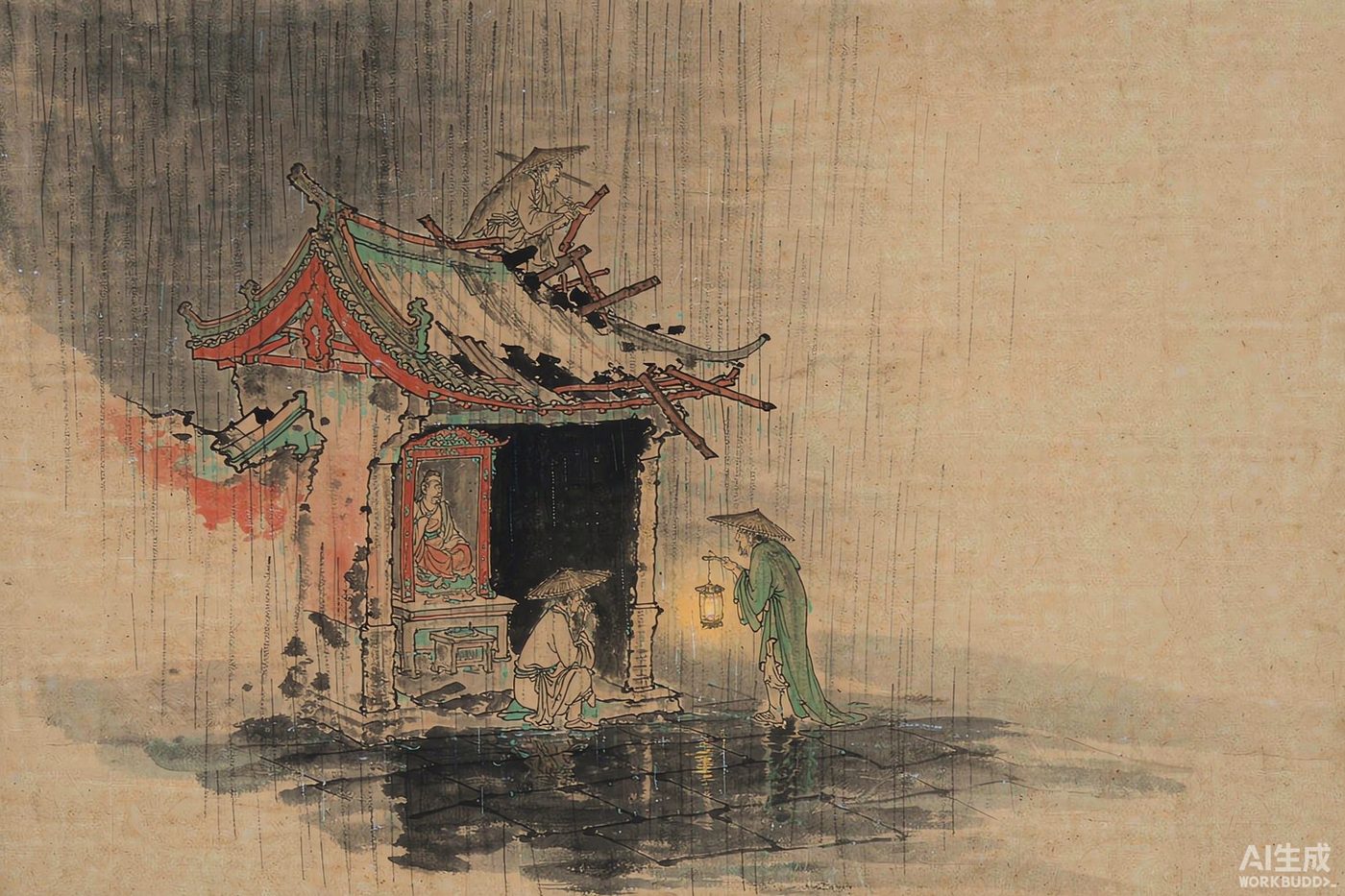
A generous man dies and is appointed earth god of a Taoist abbey. A year later he comes to his father in a dream with a complaint: the roof leaks, the rain runs down his face, his whole body is soaked, and nobody repairs the shrine. His father and his son dream it separately, compare notes, go and look — and rebuild it.

Small GodsDeityJustice
Qing dynasty · from Zibuyu, late 18th century · 子不语

The Chaste Girl Who Cried Injustice

貞女訴冤

A prefect is about to rubber-stamp a county verdict — a girl dead by her own hand, ruled consensual adultery. A wind rises in his secretary's room and a silent woman stands. His son hears her: she died resisting rape, and her parents took bribes to call it willing.

GhostJusticeWronged