Stories/ 夷坚志/ The Seven Ladies

The Seven Ladies

七姑子

SourceYijian Zhi (Record of the Listener)
AuthorHong Mai
EraSouthern Song dynasty · 1183, the tenth year of Chunxi
Writtenc. 1160–1200
Small GodsTricksterStrange
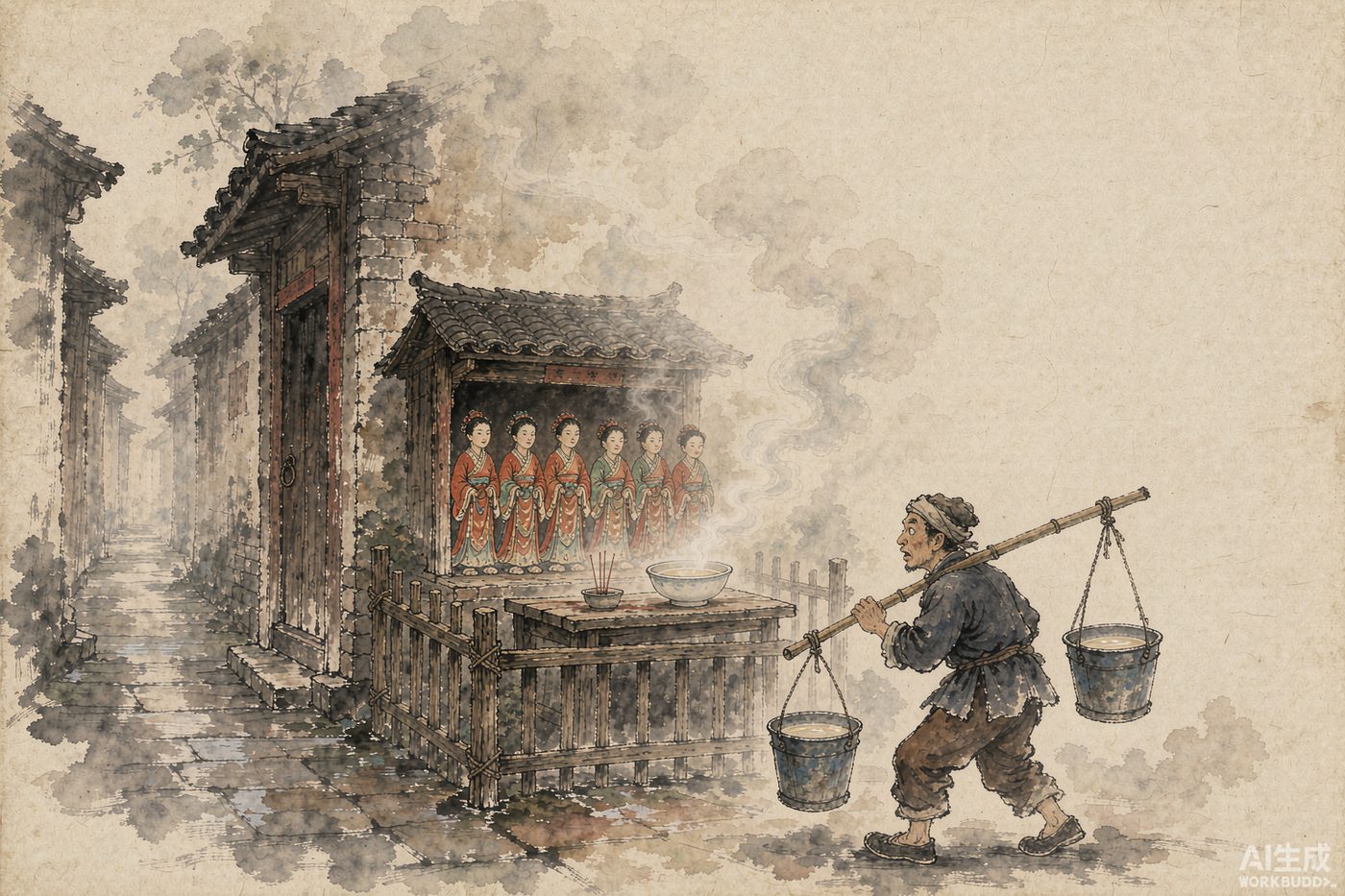
A small roadside shrine with seven carved women's figures behind a low rail, a bowl of bean-milk steaming on the incense table before them, and a startled vendor with his carrying pole outside the gate, ink-wash painting
Illustration generated by AI, based on the ancient Chinese text.

The second collection of this work records the Seven Ladies of Tingzhou. Ganzhou has them too. They are mountain spirits, and throughout the cities, towns and villages shrines are raised to them everywhere. Their form is seven women, and they are quite able to bring fortune or misfortune.

In the tenth year of Chunxi, Wang Daguang of Lin’an was serving as a clerk in the Mining and Smelting Bureau. His gatekeeper reported to him:

“Early this morning, not long after the gate was opened, a bean-milk seller came by, and several women came out of the house and bought from him. They said to him: wait here a little and we will bring you the money. They did not come out again. I do not know who they were, but I make bold to report it.”

Daguang was alarmed. “My household women would not go out buying things at first light. The man must be mistaken. If it really happened, then some demon must have borrowed their shapes. But in broad daylight — how could such a thing be?”

The gatekeeper said something about the Ladies. So they went and looked at the shrine — and there, on the incense table, was the bean-milk.

Daguang at once ordered it heated through and offered to the Ladies, and paid the seller what the bean-milk was worth.
Original classical Chinese text · 原文

乙志載汀州七姑子贑州亦有之蓋山鬼也遍城郭邑聚多立祠宇其狀乃七婦人頗能興禍福淳熙十年臨安人王大光為坑冶司幹辦公事閽卒白曰今早啓戶未幾有賣豆乳者來數女婦從宅出就買謂之曰汝少頃於此當持錢以還久而不出不知誰人敢以告大光駭曰我家人不應侵晨自買物必妄也若或有之殆鬼物假託但白日昭昭寧得如是閽以姑子為言遂往視其祠豆乳正在香几上大光即命烹熟以薦而代償所值

From 《七姑子》, Yijian Zhi. Translated in full. 乙志 is the second of the ten collections that make up the Yijian Zhi, already written when this note was added; 汀州 and 贑州 are Tingzhou and Ganzhou, straddling the Fujian–Jiangxi border; 山鬼 is a mountain spirit, the same term used in the Nine Songs; 淳熙十年 is 1183; 坑冶司 is the Mining and Smelting Bureau; 閽卒 is the gatekeeper; 豆乳 is fresh soy milk, sold hot from a carrying pole in the early morning.

Source. From Yijian Zhi (Record of the Listener) (夷坚志), by Hong Mai , c. 1160–1200. The original text is in the public domain; this English rendering and the accompanying notes are original work.
Where this fits in the universe: The Small Gods

Keep Reading

Related Stories

Qing dynasty · Qianlong–Jiaqing era · 谐铎

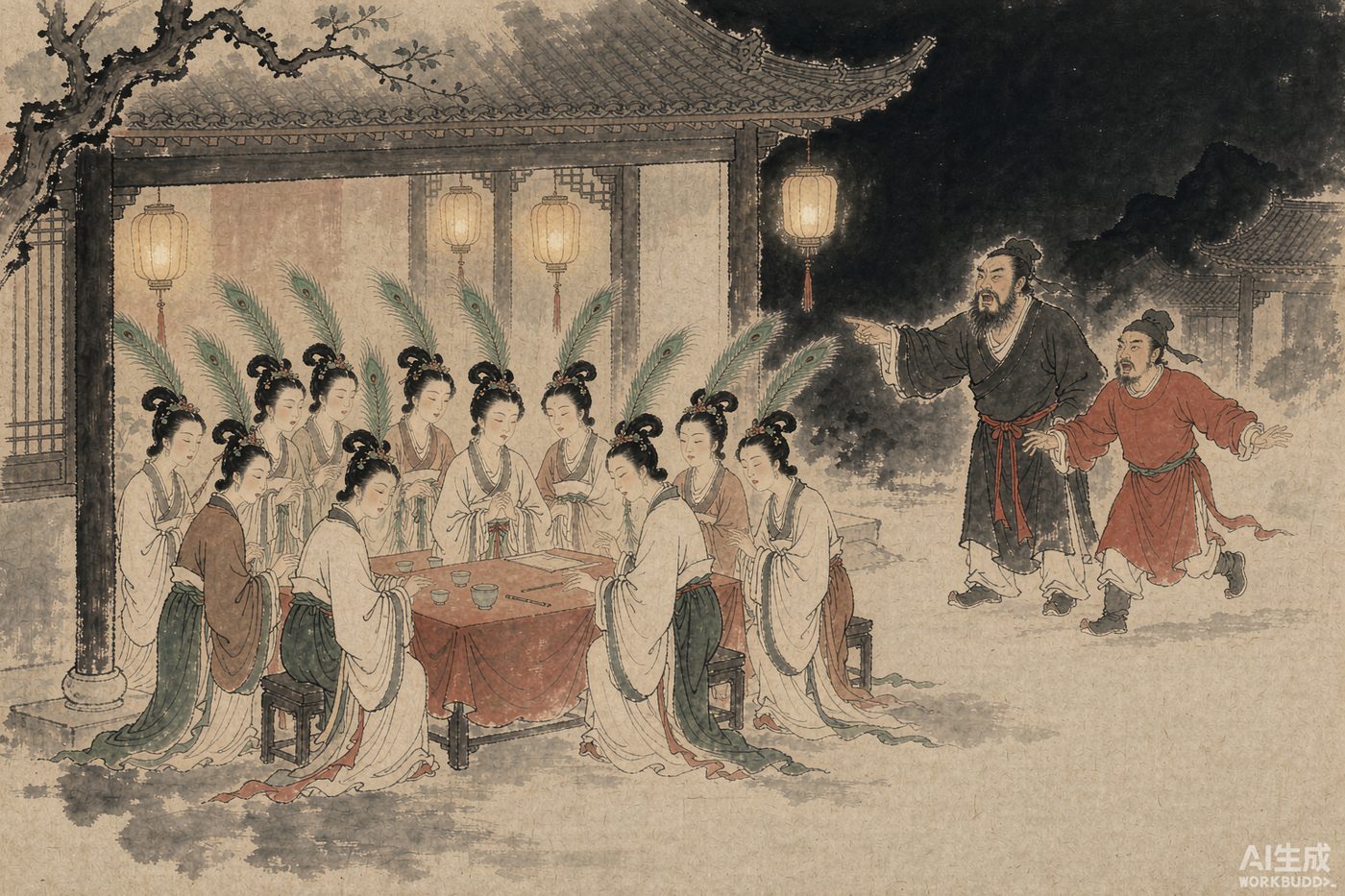
The Temple of the Ten Aunts

十姨廟

A temple near Duqu holds ten beautiful women. Nobody remembers that it was built for Du Fu, whose office of Reminder sounded to country ears like Ten Aunts.

DeitySatirePoetry
Qing dynasty · Qianlong era, c. 1736–1798 · 子不语

The God Nobody Could Name

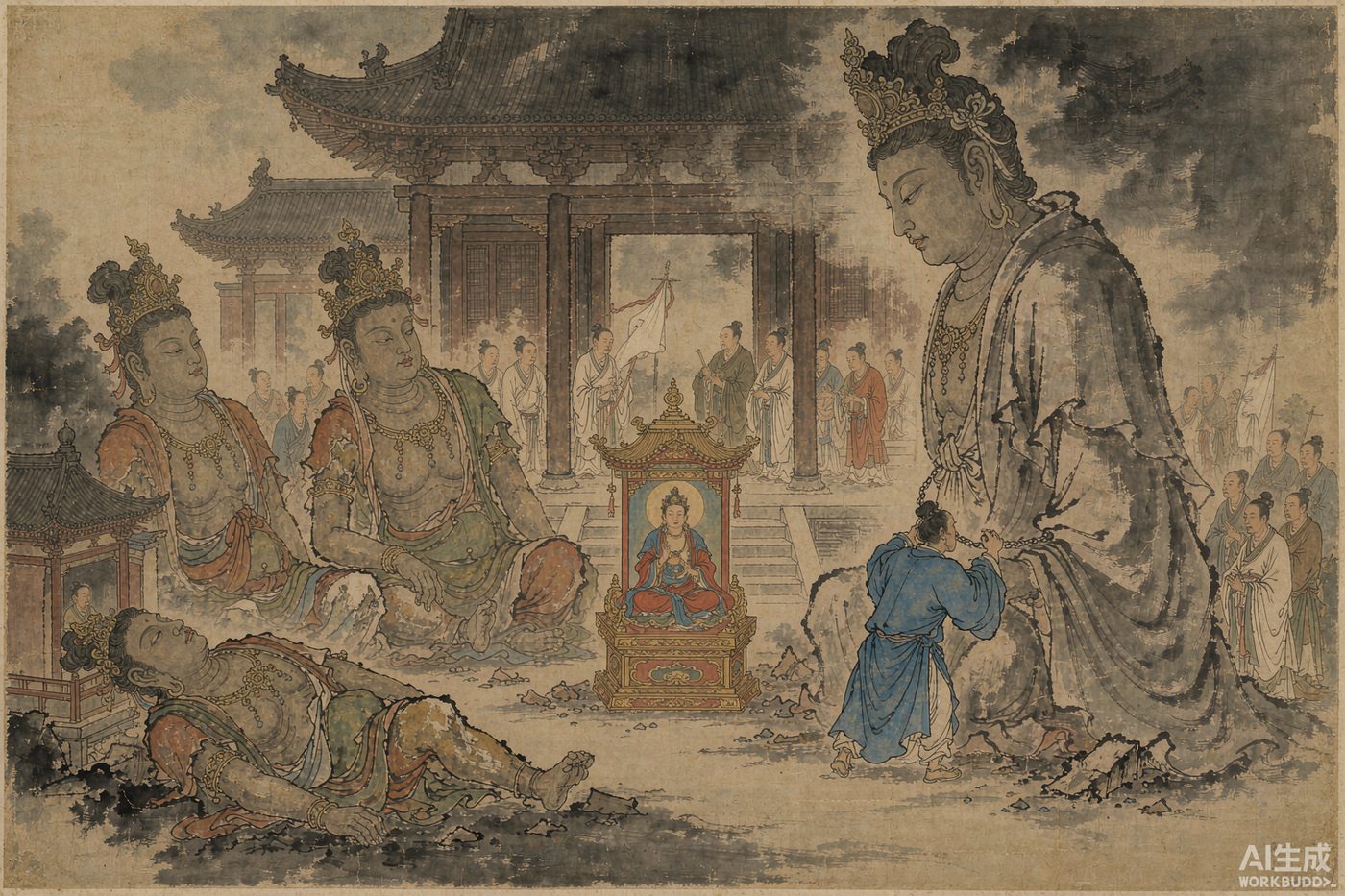
毁陈友谅庙

Arriving at a new post, a magistrate is told there is one more temple he must burn incense at. Nobody knows what god is in it. He searches the gazetteer: not listed. So he puts an iron chain round the statue's neck and pulls. Then he writes to the Celestial Masters to ask who it was.

DeitySmall GodsOfficialdom
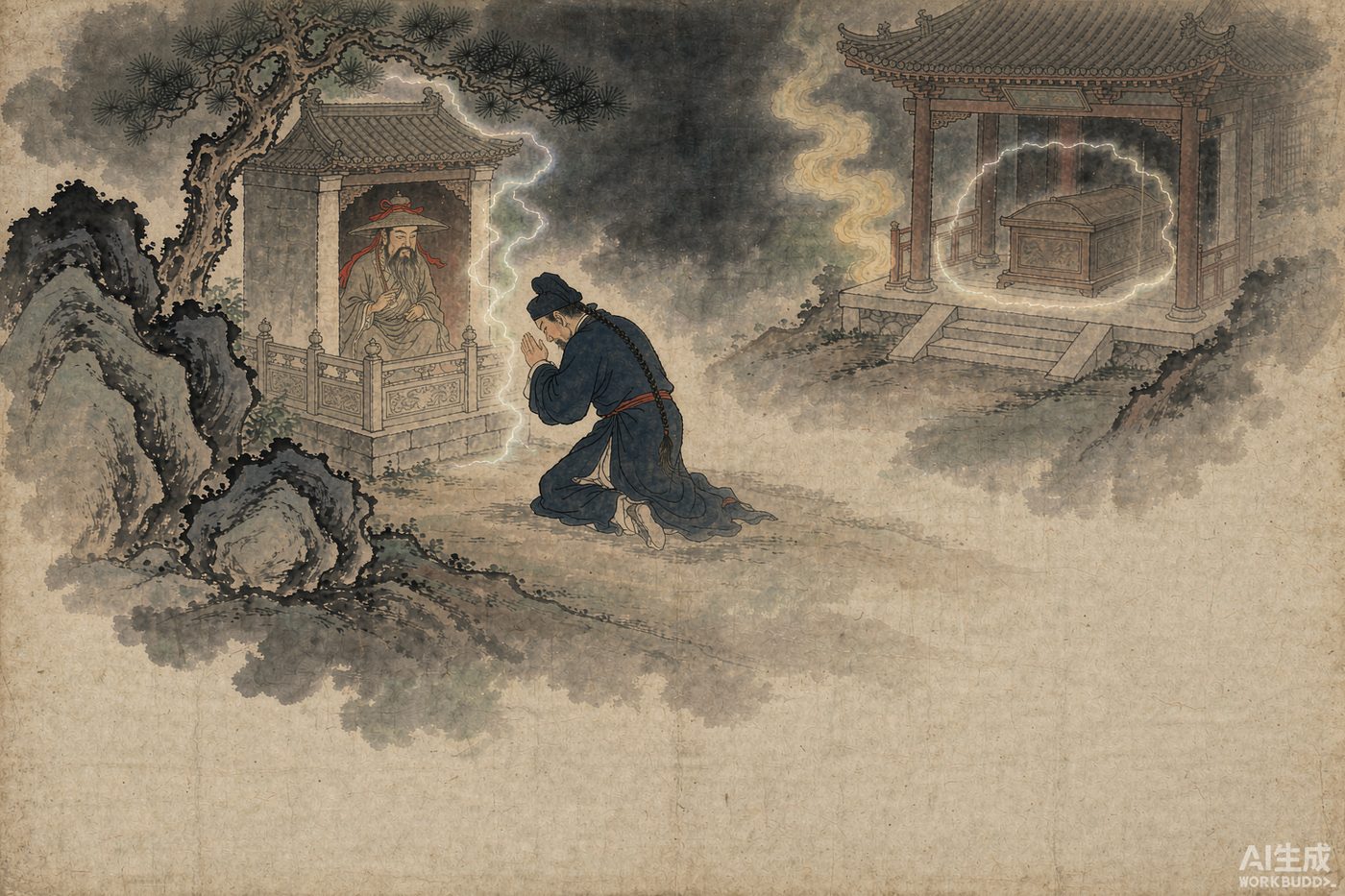
Qing dynasty · Kangxi era, 1662–1722 · 子不语

The Earth God Who Told

雷击土地

A dead friend has been posted as the local earth god, and he tells the magistrate that his mother is down to be struck by lightning. There is one way out, he says: make her spend out her whole allotment of food and clothing at ten times the rate, so that she dies of it first. The magistrate does it. Then the thunder comes anyway.

Small GodsDeityFate