Censor Liu of Pingyuan was orphaned young and poor, and taught school in the temple of Lord Guan in East Village.
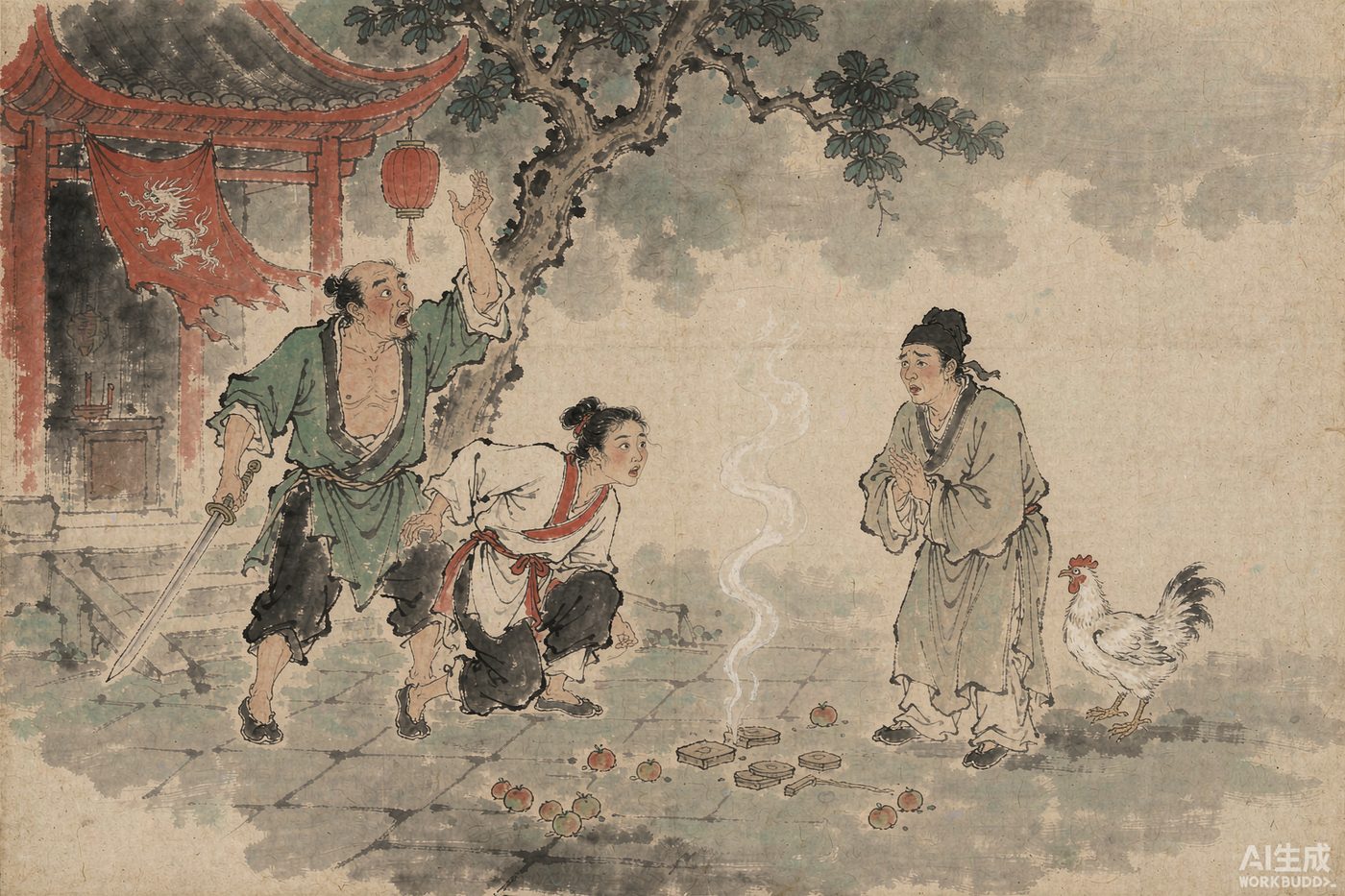
At the year’s end, when the school broke up, he went into the city to visit his sister, and she gave him a young chicken to take home. He got back and killed it, to see the new year in with.
Now a chicken had gone missing from one of his pupils’ houses, and the family whispered about the schoolmaster — first in hints, then openly. He asked what they meant; the sly ones put their hands over their mouths and laughed, and the simple ones told him outright.
Liu was furious. He called the fathers and elder brothers of the households together, bought incense and candles, and swore before Lord Guan:
“If I, Liu, have done this baseness, let me stumble on the threshold the moment I go out of the temple door.”
He finished the oath and went out. His coat caught on the sill. He went down, and got up with one foot stuck up in the air. Everyone laughed.
Liu lifted his face to heaven and cried: “A hero stuck fast in the mud is not only mocked by little men — he is not even understood by the true gods. What a wrong!”
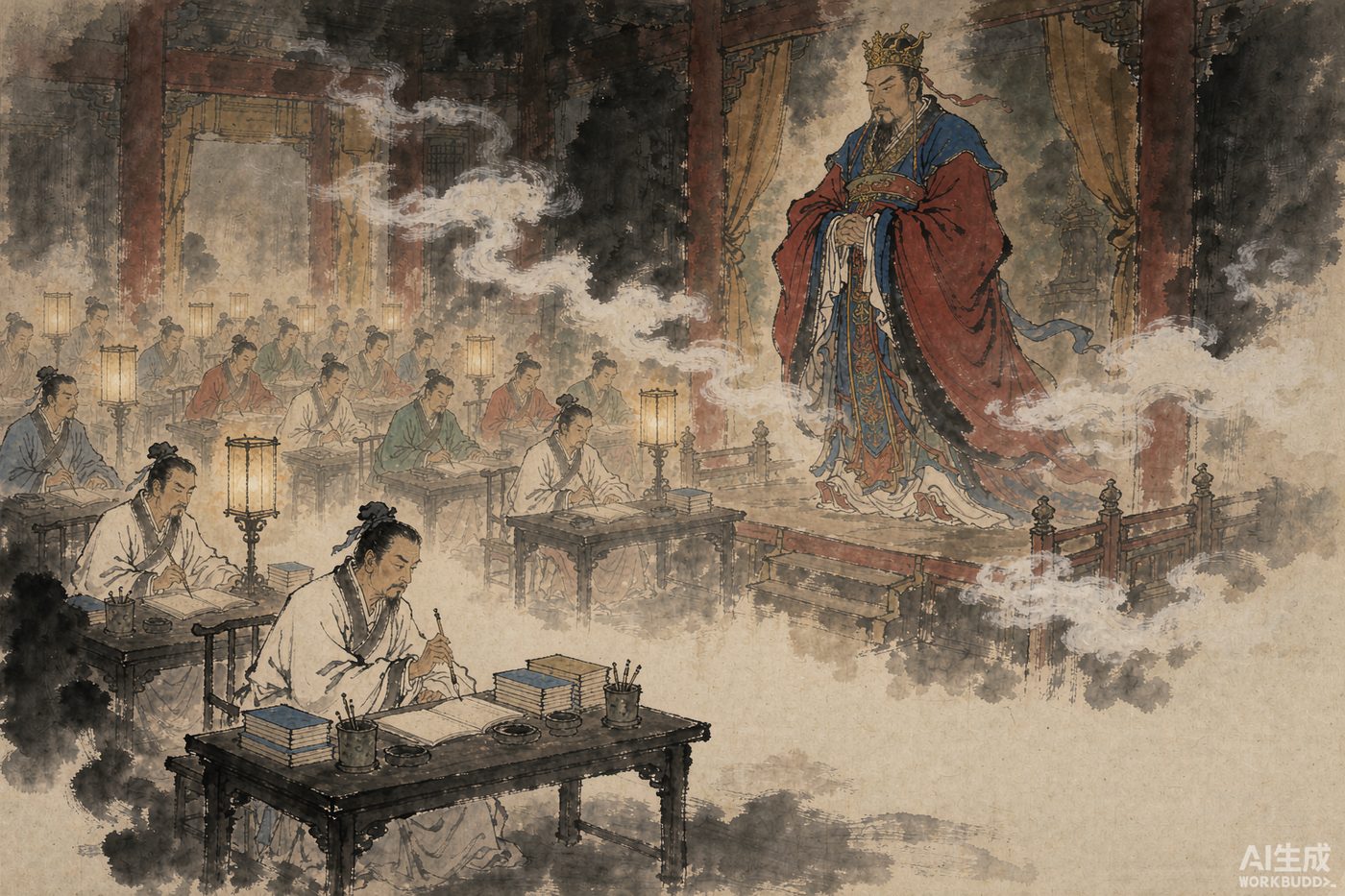
He borrowed against his furniture on the spot, got five ounces of silver, and set off for the capital, where he took work copying documents in the house of Supervisor Li. In his spare hours he read in a fury; he entered the county school under the Daxing register, and carried everything before him at every examination. In a few years he was a censor.
At that time the Celestial Master came to court. Liu wrote out a plaint on paper and asked that the old matter be looked into. The Celestial Master sent a despatch up to the temple of Lord Guan.
Several days later the answer came back:
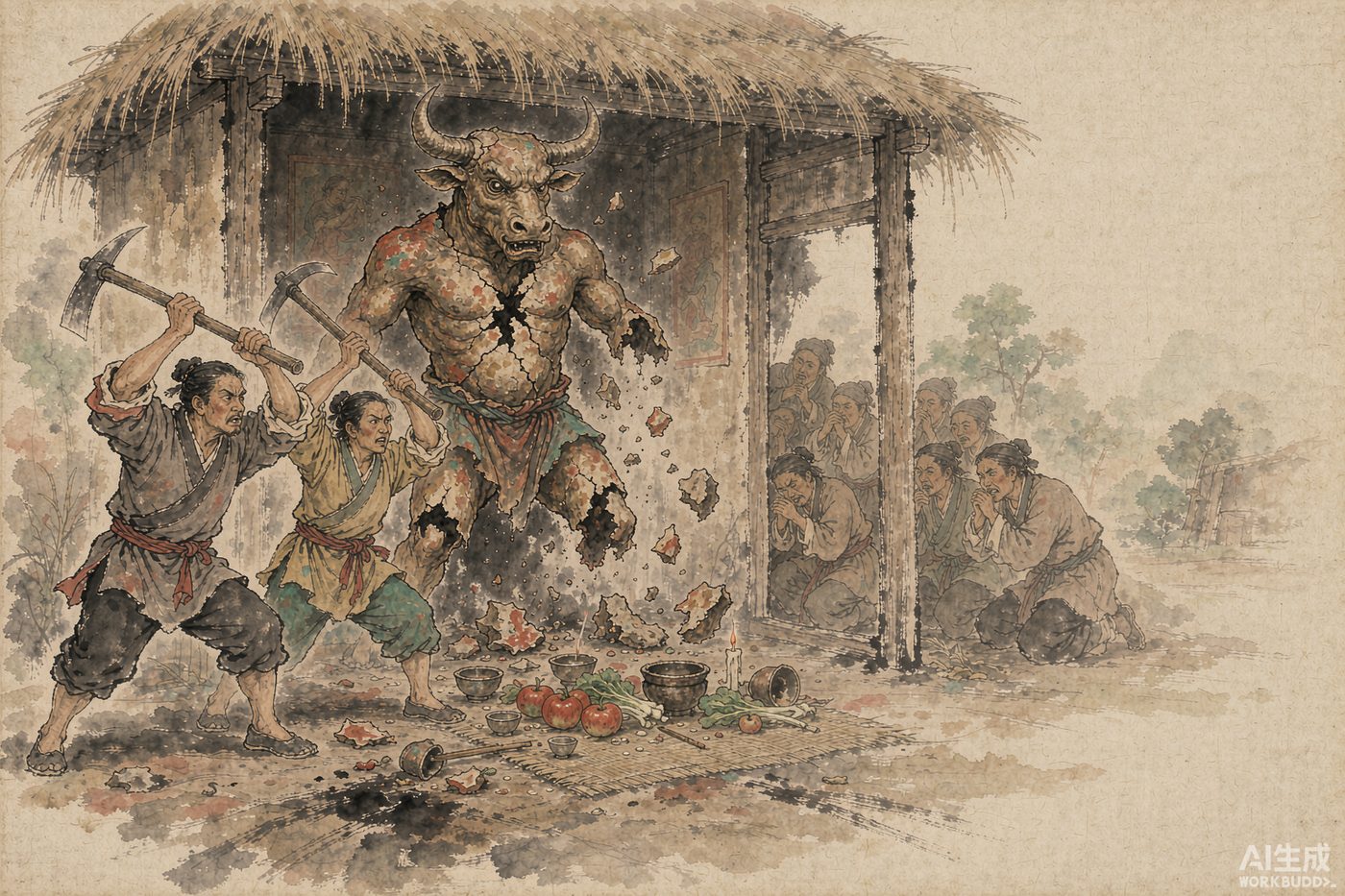
On such a day of such a month and year, the undersigned received the decree of the Jade Emperor and was summoned to the Hall of Numinous Brightness to deliberate on the campaign against Chiyou, and was not in the hall. Behind the temple there was an old badger, falsely trading on a god’s name and squatting without right upon the throne of a duke. It privately supposed that among the poor and humble there could be no remarkable man, and so played a sly trick or two, to raise a laugh. I have now ordered Zhou, of my retinue, to open its earth and take it, and to behead it with the Green Dragon blade.
The Celestial Master passed this to the censor. Liu took leave that night and went home, called together the fathers and brothers of the old days, and looked behind the temple.
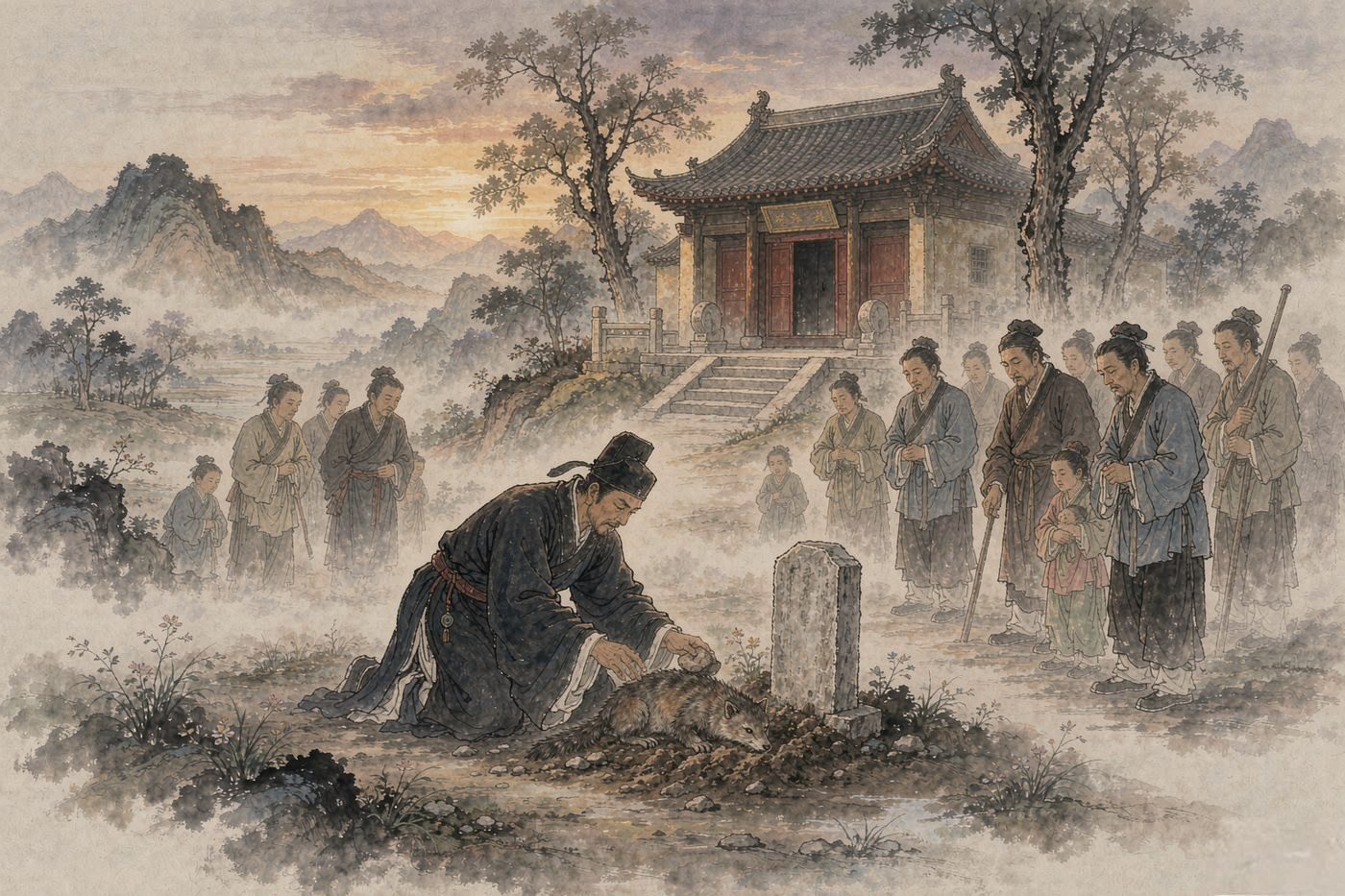
There was indeed a ruined mound there, sunken some seven feet into the ground, and in it an old badger with its head cut clean off, lying red and wet in a pool of blood.
The company stopped doubting. And then they sighed over it.
“That it came to grief by a jest — it brought that on itself. But without that one goad, I would have ended my days a village schoolmaster. Where do rank and wealth come from? The violence that the world does you is exactly the means by which small men make the fortune of a gentleman. This creature was polishing me into a finished man!”
He had it buried at once on a spare piece of ground, and set up a plain stone, and named it the Tomb of the Repaid Kindness.
Ah — Liu understood things.
The Duo comment: When a hero is hard pressed, those who pity me and those who shame me have both done me a great service. Otherwise how would Han Xin’s thousand pieces of gold repaid for a meal have counted the same as the young man’s legs to be crawled under? A shallow creature who repays every squabble with a grudge only shows how small a vessel he is.
A tomb, to repay a kindness — certainly. And yet, would it not have been better not to kill it? Someone says: the badger died by the holy emperor’s hand, not by Liu’s. Alas — I did not kill Bo Ren, but Bo Ren died because of me. In the dark places, I owe that good friend something; and I am entitled to hold him to it.