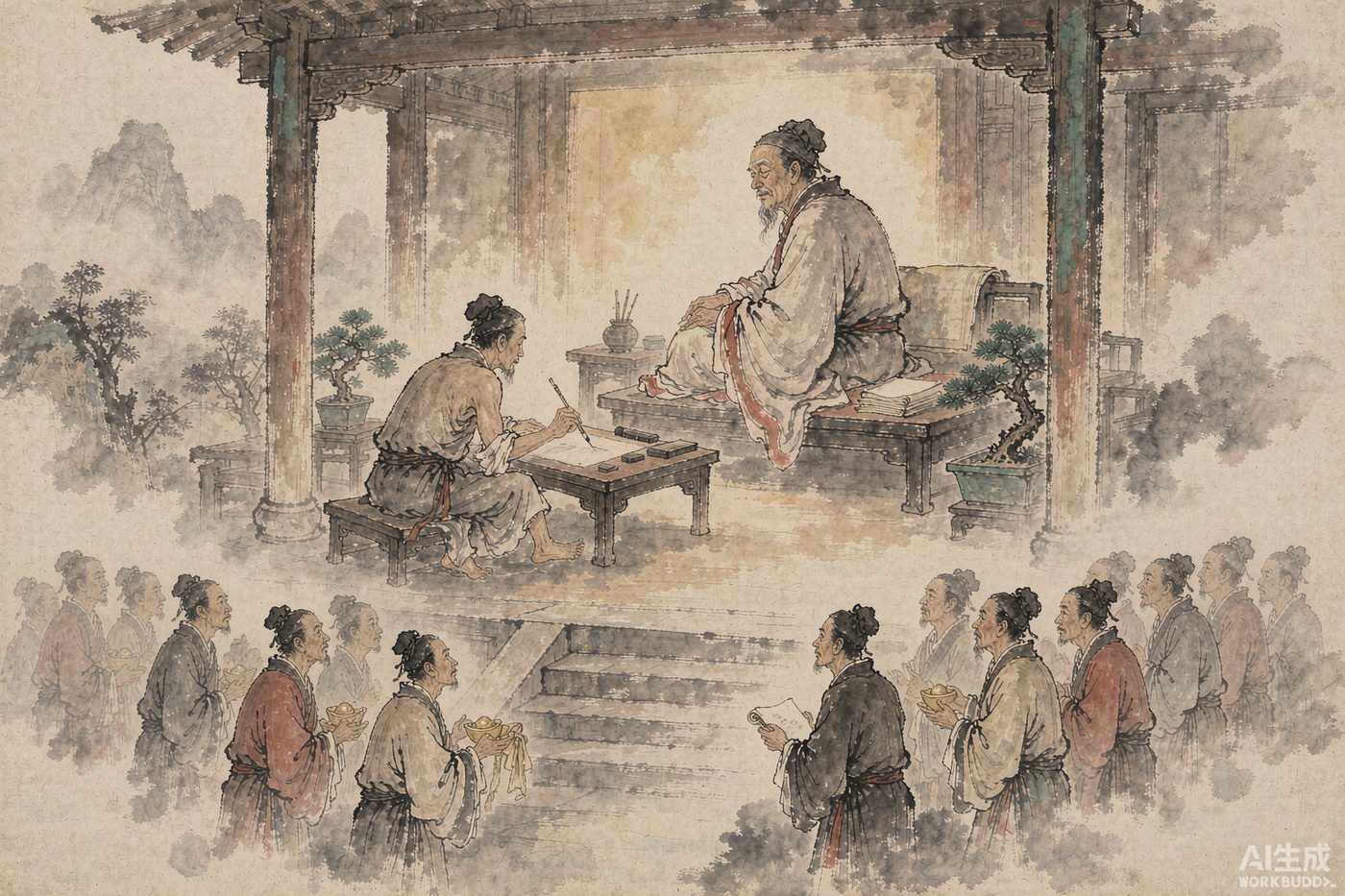
Zhu Siyanze was magistrate of Lin’an county in the early Chunxi era. Auditing the government stores, he found that the chief clerk Gao had been pilfering from them; and Gao’s wife was greedier still — she would take country people along to hand in their tax money, give them forged stamped receipts, and keep the money herself.
Gao happened to be up at the prefecture on business, so they arrested the wife first and sent her to gaol. When Gao came back and they questioned him, his answers were grossly insolent, and so they proceeded against him too. He was held in bonds for over a month and interrogated under the rack every day.
One evening the deputy made the round of the gaol, and the two of them wept and said: “The torture has gone as far as it can go. We do not think we will come out of this alive.”
The deputy’s heart went out to them. As it happened, Zhu was entertaining a passing guest and the party had not broken up; so he had their irons struck off and let them out, and told them to go to ground and leave no trace.
The next day the deputy presented himself at the yamen and said to Zhu:
“Gao is head of the clerks, and he and his wife stole the people’s money, and then he bawled at his superior. He thoroughly deserved severe punishment. But they had been so long in confinement that last night, when I called their names, they were too far gone to answer. I had no choice but to release them. And then I heard that both had died on reaching home. It is fortunate they did not die in the gaol; there is no need to make it public. The son is willing to take them and bury them, and I have granted his request. I acted on my own authority, and I am apprehensive about it.”
Zhu was pleased that the deputy shared his detestation of wickedness and had managed the thing so circumspectly that nothing showed, and he thanked him for it.
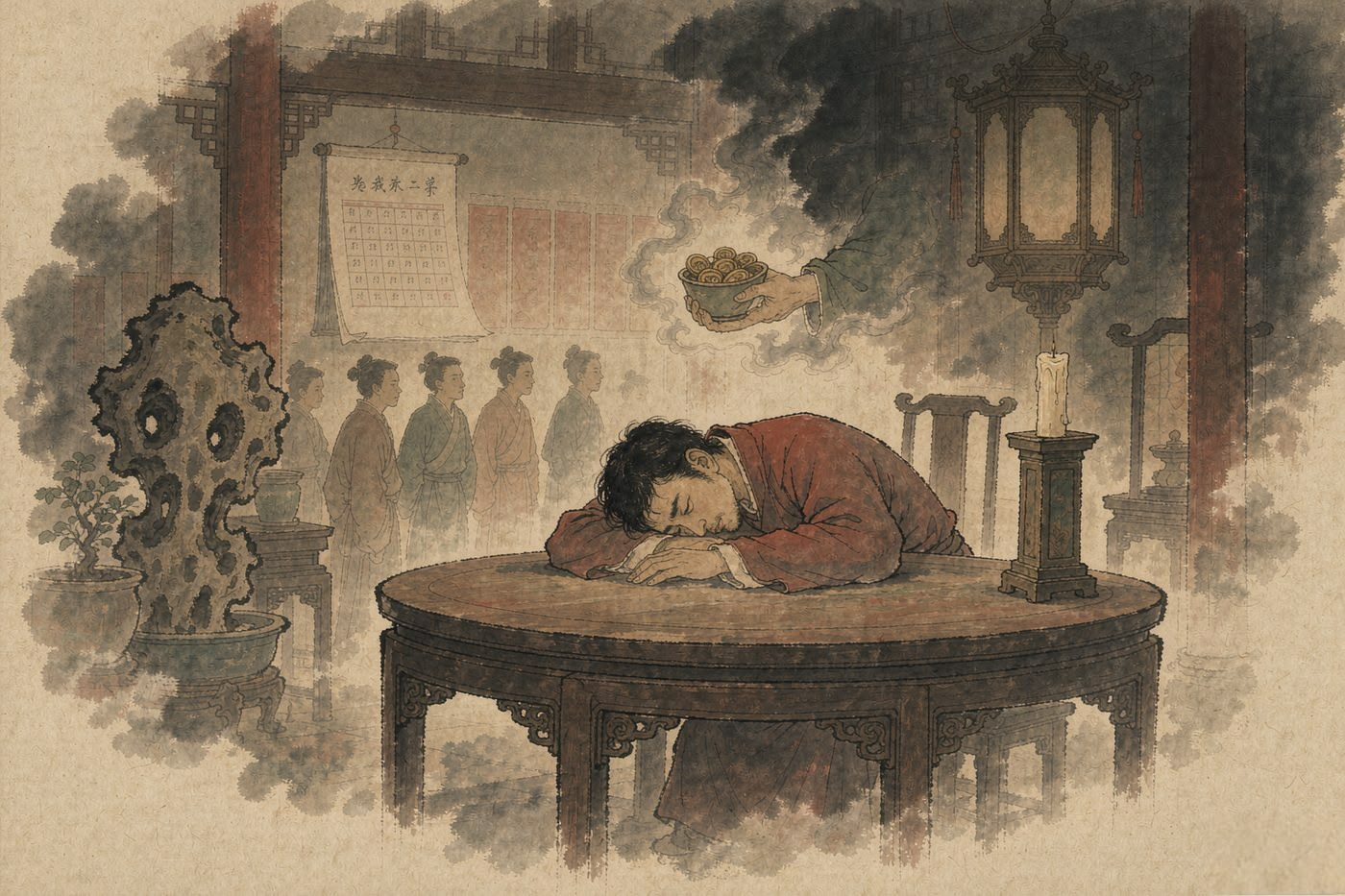
But when he got back to his own rooms he thought it over again. Their offence did not carry the death penalty. If they have lost their lives over it all at once, will it not one day come back on me? And if not that, then there will be a hidden retribution, and the persecution of a wronged ghost.
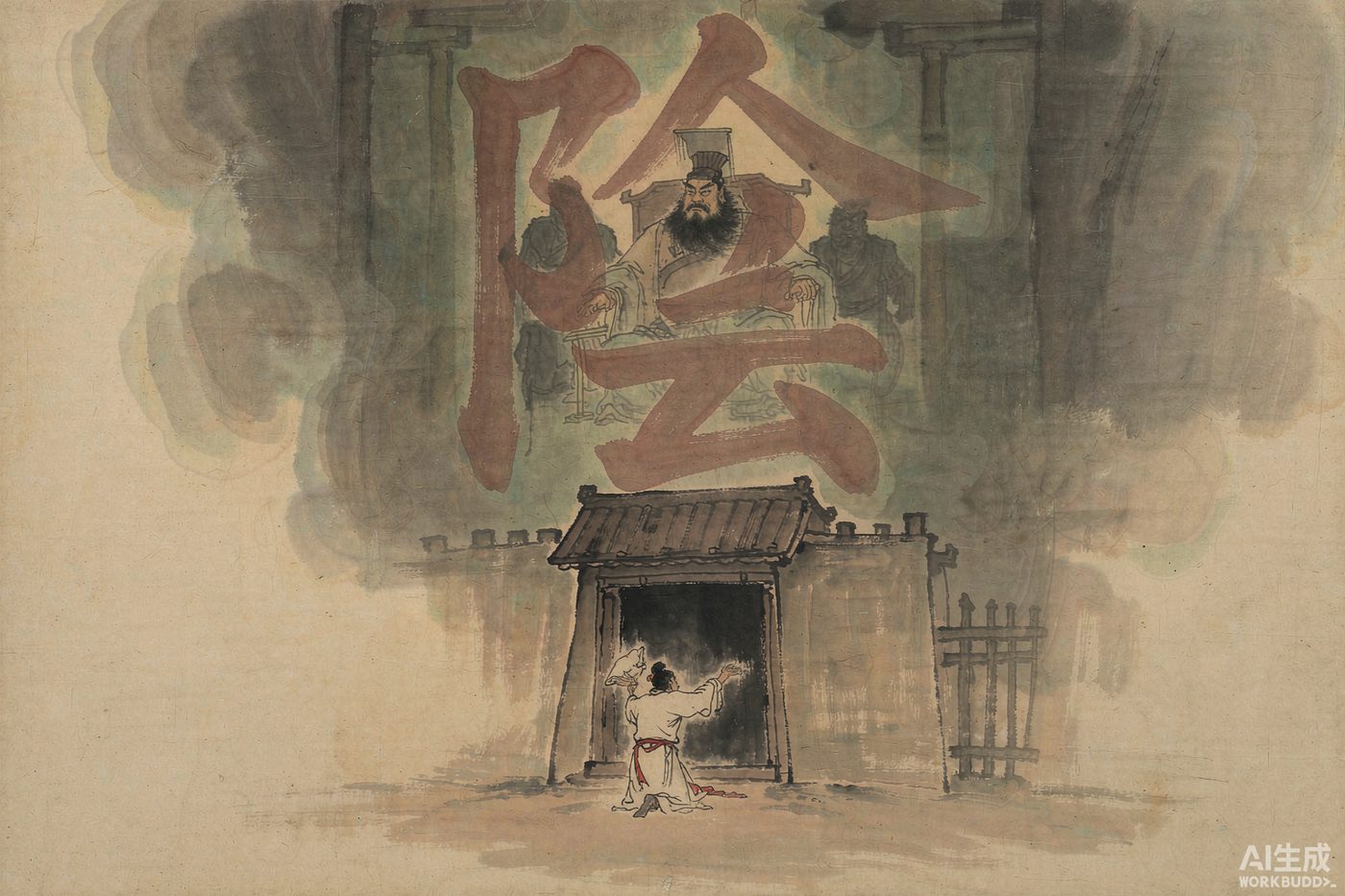
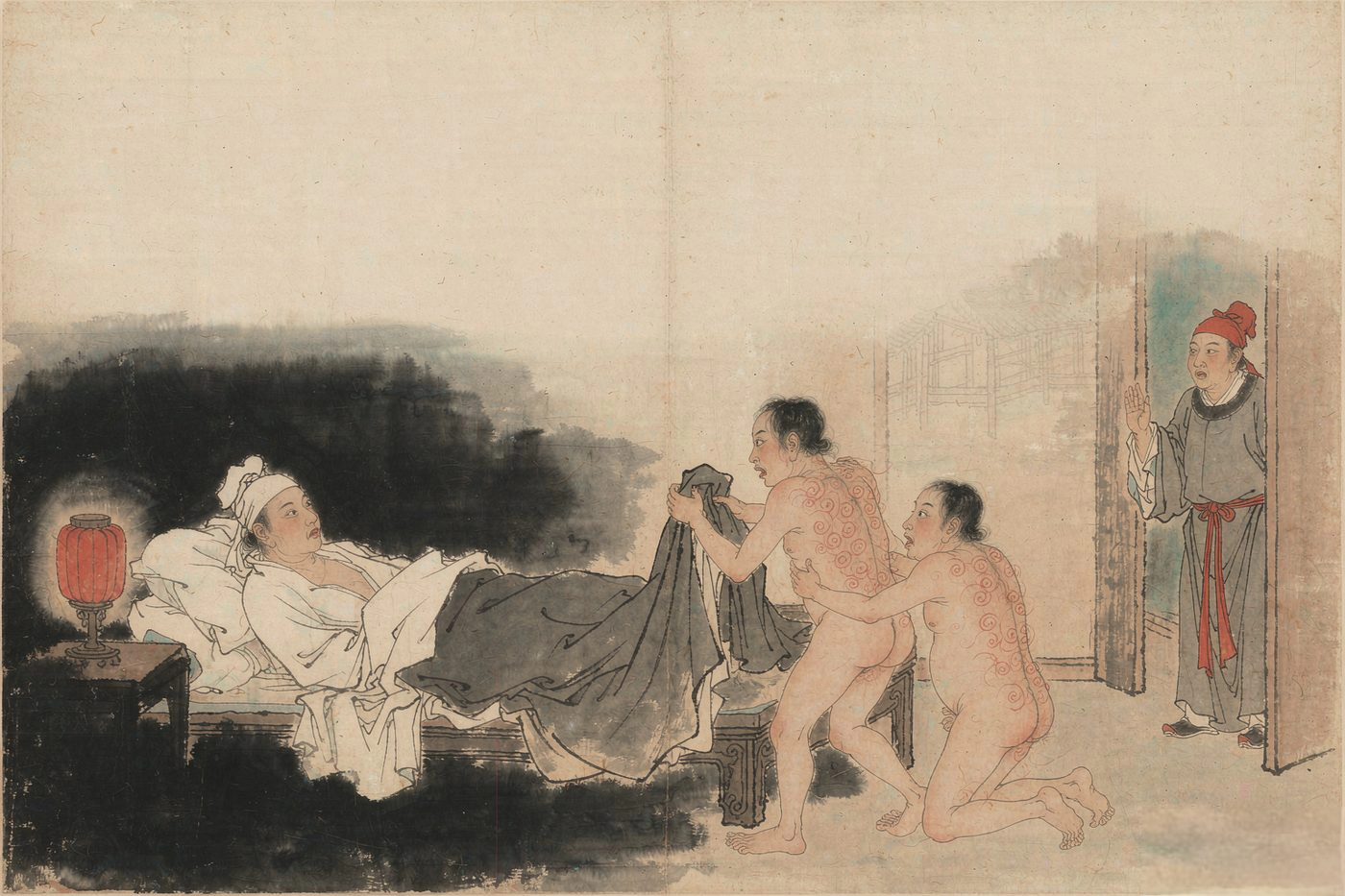
From then on he could neither sleep nor eat for it. And then he saw the two: naked, hair loose, their bodies covered in weal-marks, coming straight up to him and taking hold of his gown.
“My offence was no more than penal servitude,” they said, “and I have been cast down onto the dark road. And then you had the deputy make away with my bones. Cruel beyond bearing. Unless you come down below with me and argue this out, there is no question of my letting you go.”
Zhu could not get a word out. He fell ill, and the ghosts were beside him morning and evening.
The deputy came to ask after him, and Zhu told him how it stood.
“I could not bear my own anger at the time,” he said, “and now there is no undoing it. What is there left to say?”
The deputy laughed.
“The two of them are not dead,” he said. “I was sorry for them and got them out, and hid them with relatives out in the district, and told you they were dead to put you off.”
“If that is so,” said Zhu, “then who has it been, standing in front of me every day?”
“That is what too much worry and suspicion will bring on a man,” said the deputy. “Shall I have them brought?”
He sent for them, and within the day they arrived and bowed in the courtyard. Zhu’s mind cleared at that very moment, and his illness left him on the spot. He gave Gao his old post back.
Others, however, say that the clerk Zhu dealt with really did die and was constantly out and about as a malevolent spirit; that when Zhu was prefect of Hanyang and then of Fuzhou he would vaguely see Gao come into the yamen, still angry, and would have his servants flogged for not challenging him and the guards flogged for not laying hands on him, and several were dismissed and transported; and the people of the prefecture knew the old story and none of them dared tell him.
To this day, they say, he has had no peace.